
Change Flights Online
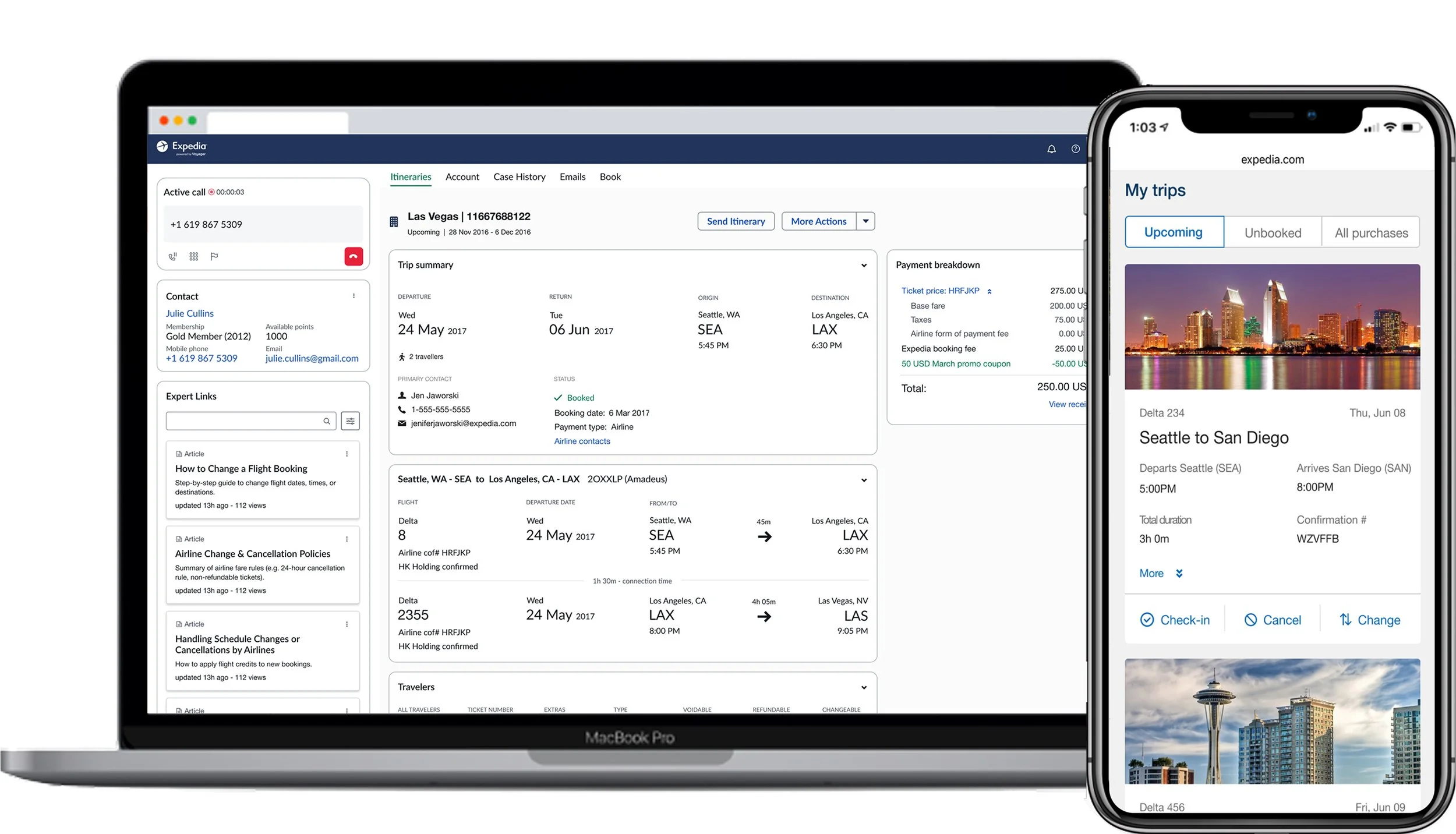
Help Expedia flight customers and agents to easily change flights online.
CONTEXT
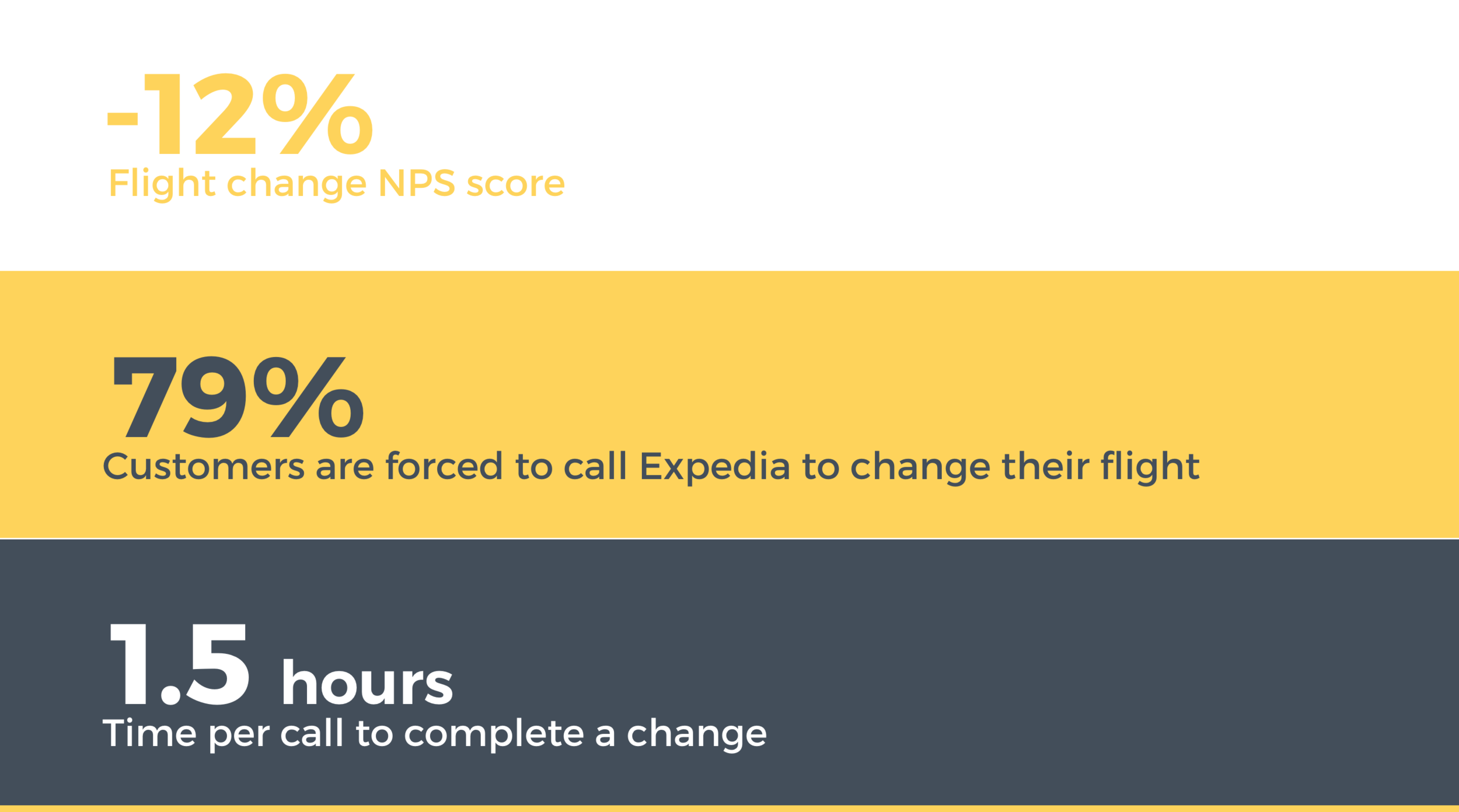
Calling support agent was the only way Expedia's flight customers could exchange their flights, leading to frustrating 1.5 hour phone calls with the agents on an average and a very poor NPS score of -12%.
BUSINESS GOAL
Reduce Average Handle Time for support agents
Minimize operational costs and agent error costs
Retire Legacy Flights tool and build on Expedia Voyager used for lodging to handle Flight transactions as well.
GOAL
Improve flight change experience for:
Customers: to make it fast and self serve
Agents: to streamline workflows
Impact
$3.9M cost savings per/annum
$1.5M incremental net revenue/annum
MY CONTRIBUTION
Lead the design efforts
Conduct research and usability sessions, create interactive prototypes and mocks, provide redlines
stakeholders
Training team, Supply, Finance, Fraud, Service Delivery
Team
Product Manager, Developers, Content writer and data analysts
research & Insights
Interviewed agents on how they changed existing flights.
Agents hopped between multiple tools to handle a scenario making process inefficient and error prone.
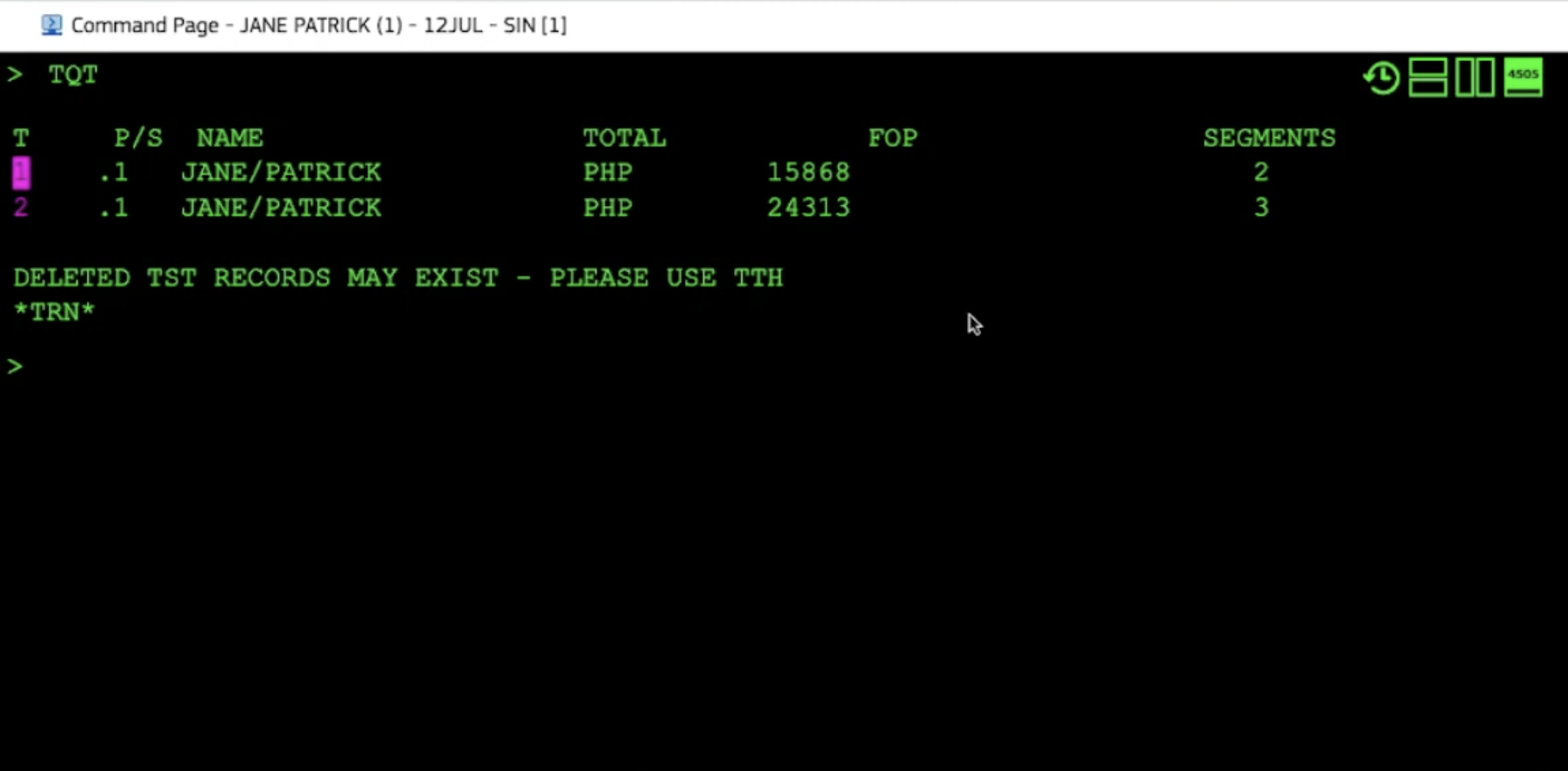
Command Prompt for Global Distribution Systems (GDS)
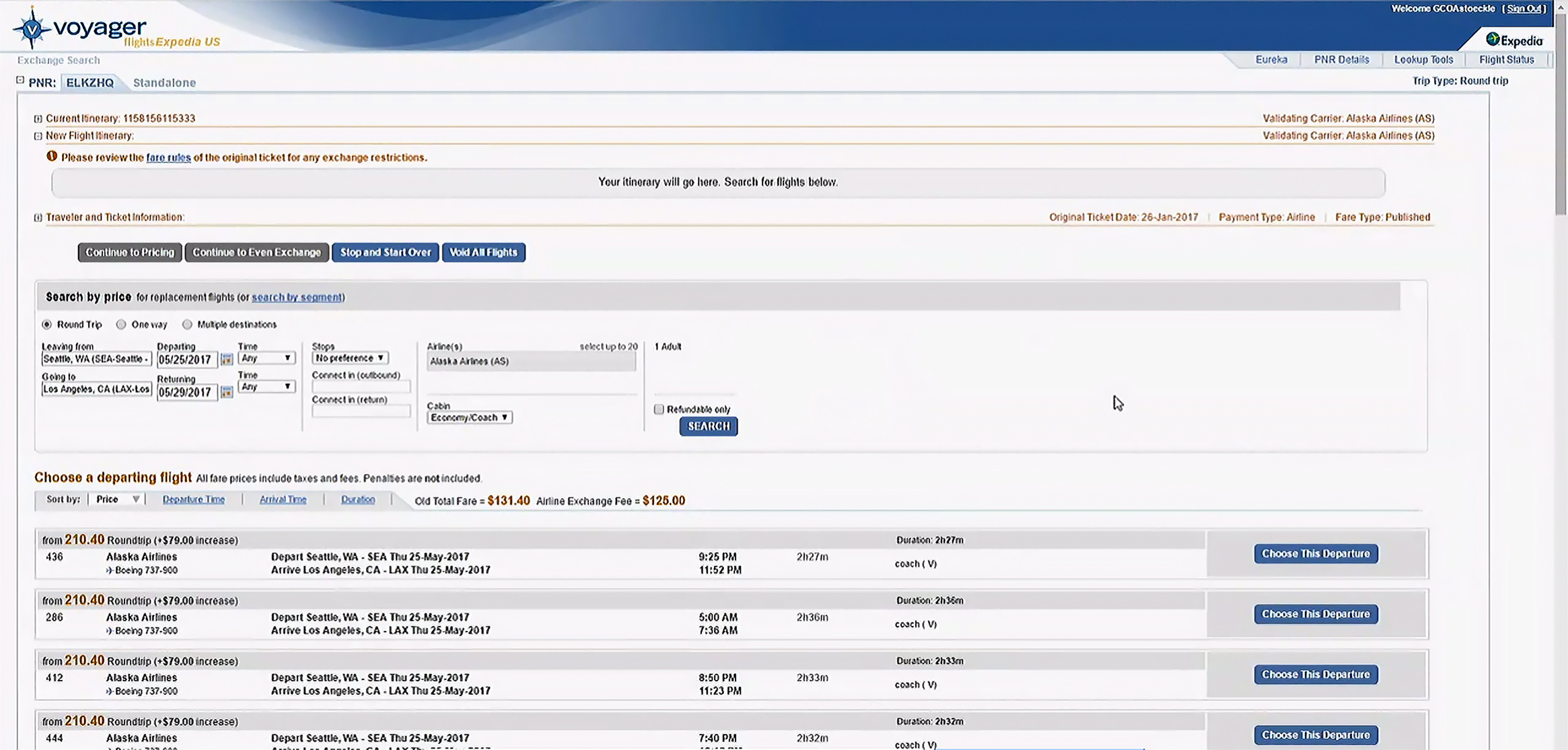
Legacy Flights tool for agents
Project inception with cross functional team
Worked with PM to list out all the flight change scenarios which were complex and spanned across teams/tools. It was a large problem space.
Partnered with PM to bring together different teams and stakeholders to understand the system’s complexity, identify the roadmap, key workflows, what we want to keep from existing system and what we want to change
Stakeholders voted and agreed on the high impact, high volume scenarios that should be tackled in the given timeframe which were:
One way and round trip changes for all travelers, ideal for customer self serve experience
Agent assisted flight changes for less than all travelers
Airline initiated schedule changes and refunds
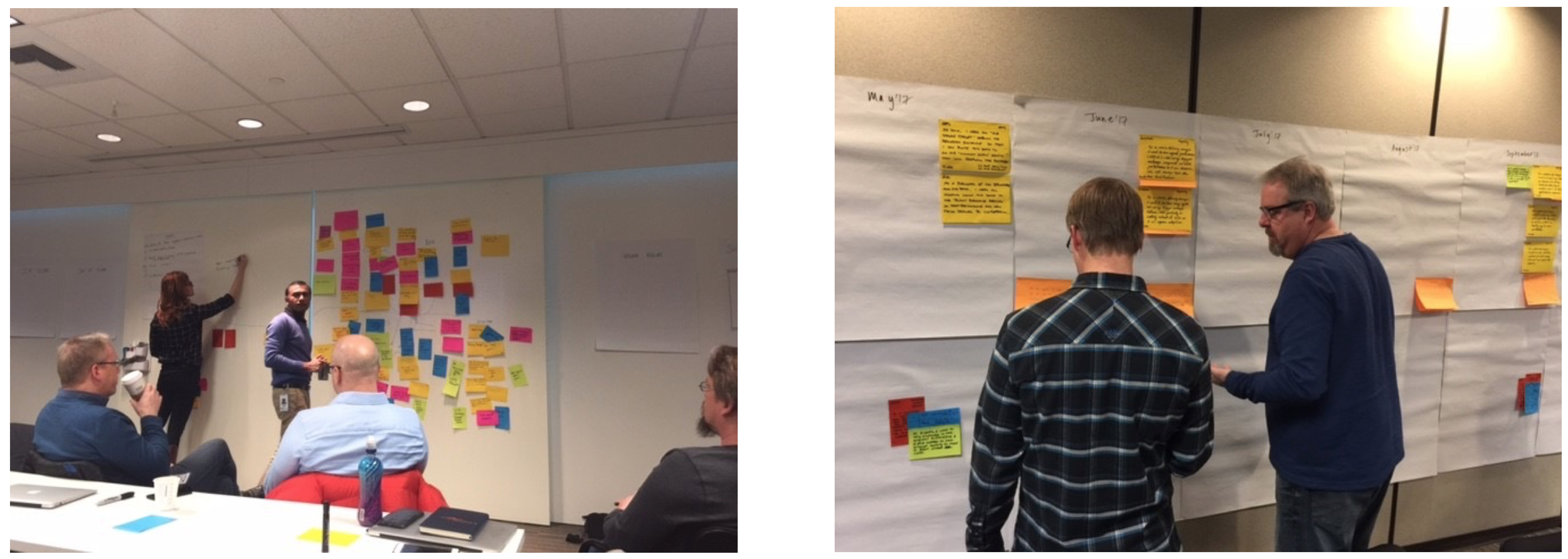
Inception with stakeholders
Key Issue 1 | Customer scenario
Misleading results and surprise fees result in long, frustrating customer calls eroding trust
Free form search before call returns policy-ineligible options, misleading customers.
Customers must call support to assess selections and available flight options, leading to long, frustrating calls.
Surprise agent fees and penalties cause dissatisfaction and erode trust
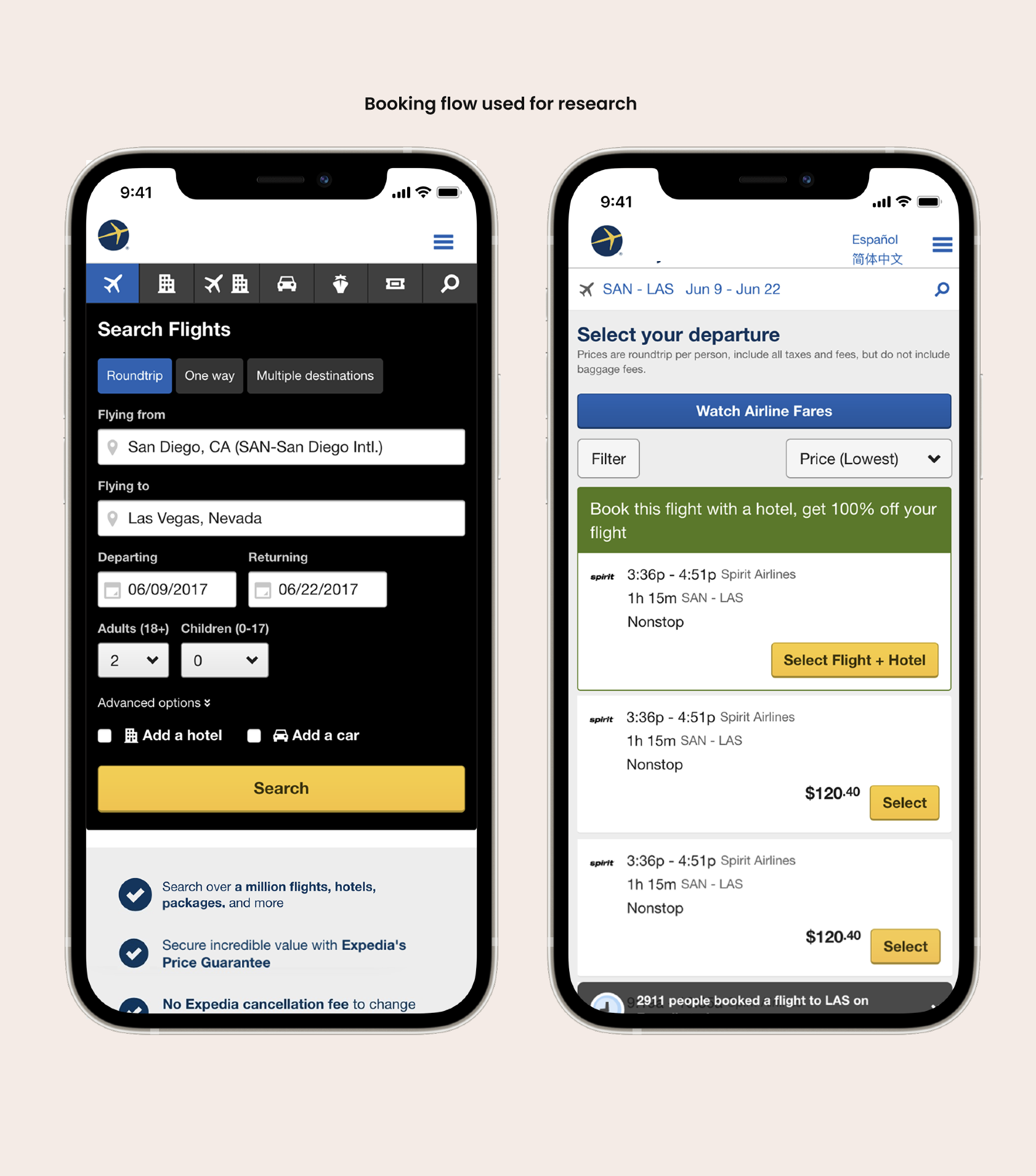
UX DELIGHTER 1
1. Surface right policy information at the right time
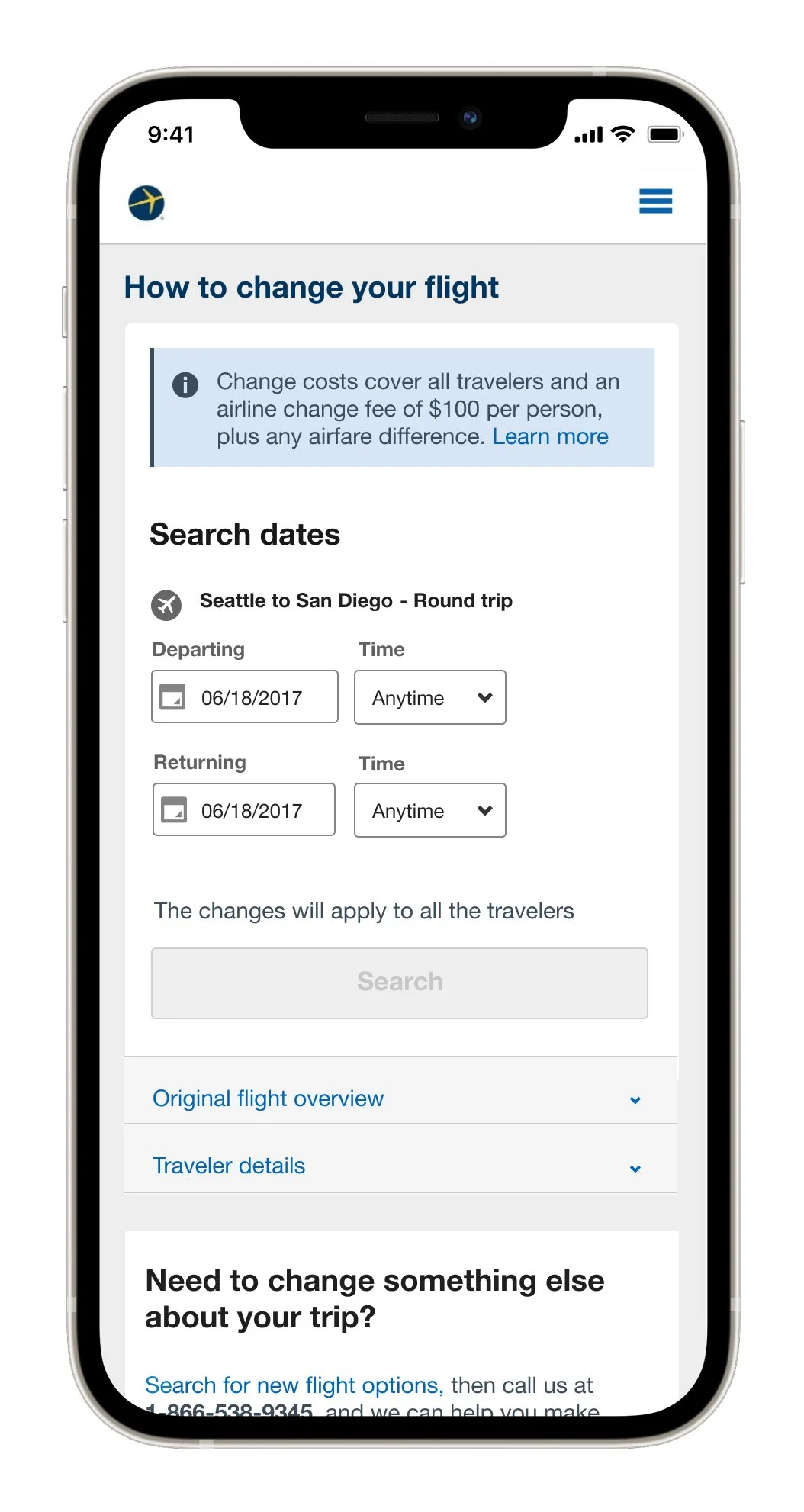
Iteration1
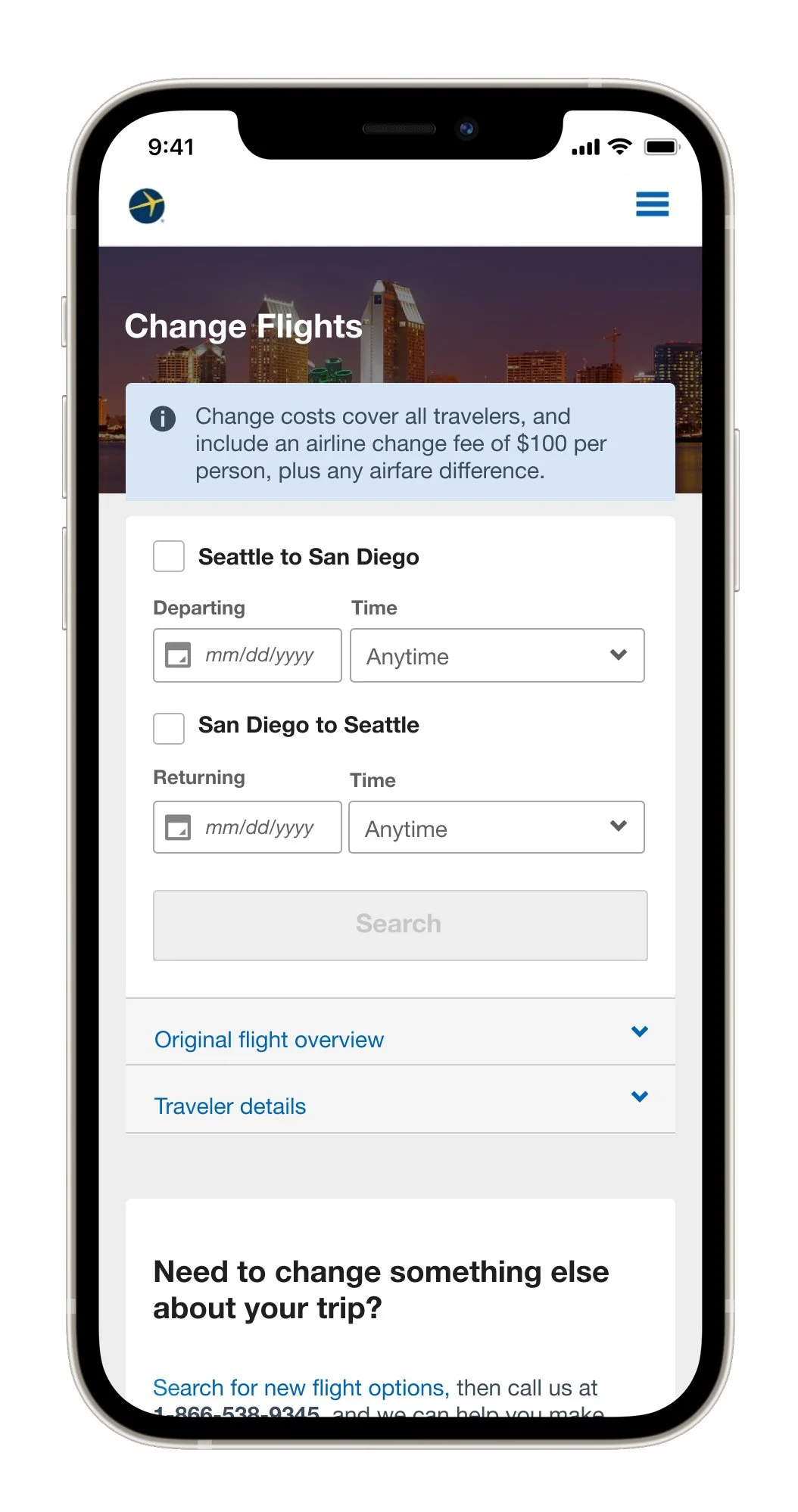
Iteration2
Final
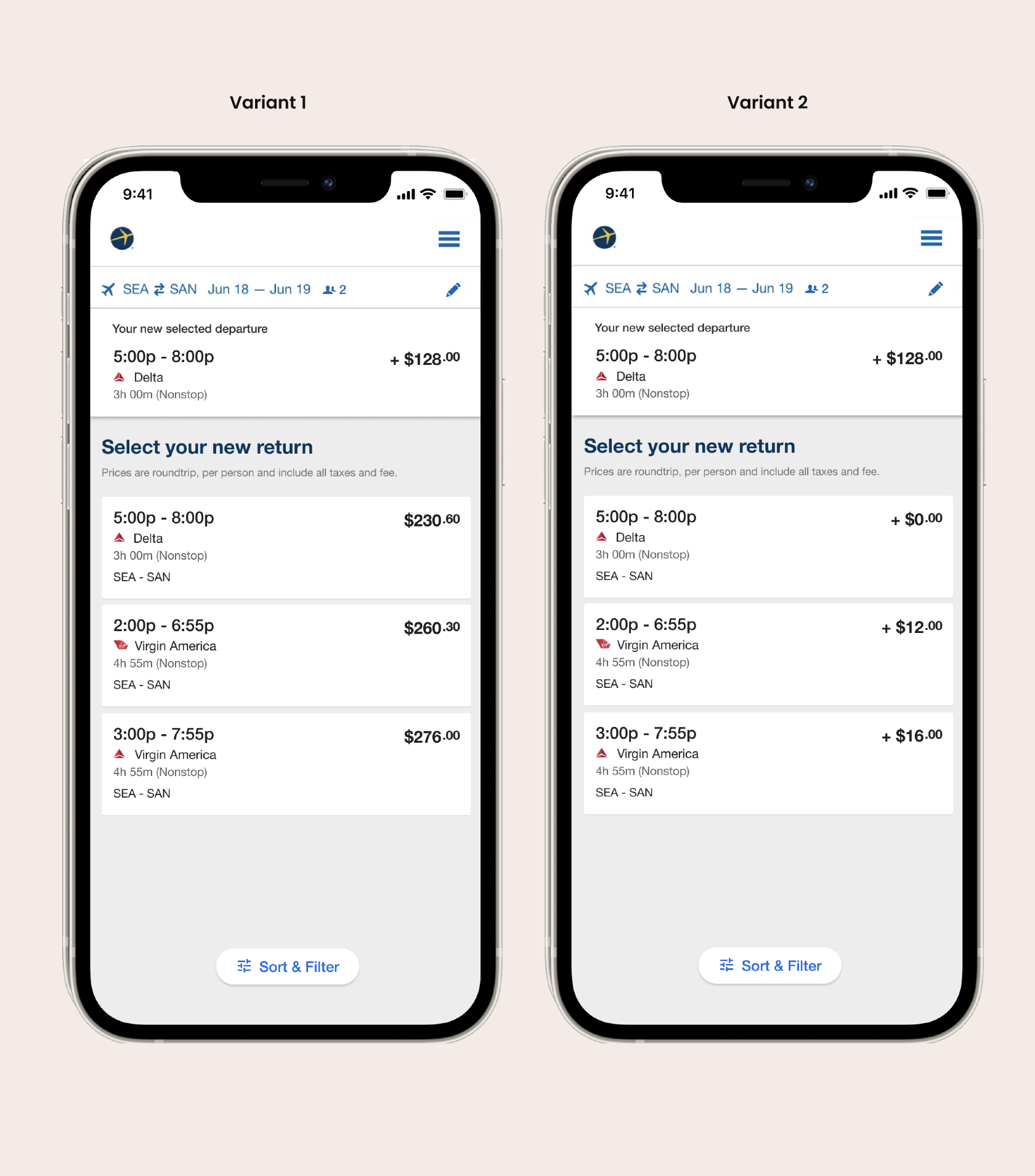
2. Conducted A/B test to inform how pricing should be displayed to customer to easily decide and change flights.
Variant 1: shows full price of each new flight option, which is later reconciled against what the traveler has already paid.
Variant 2 (Winner): shows only the additional (or reduced) cost relative to the already purchased itinerary.
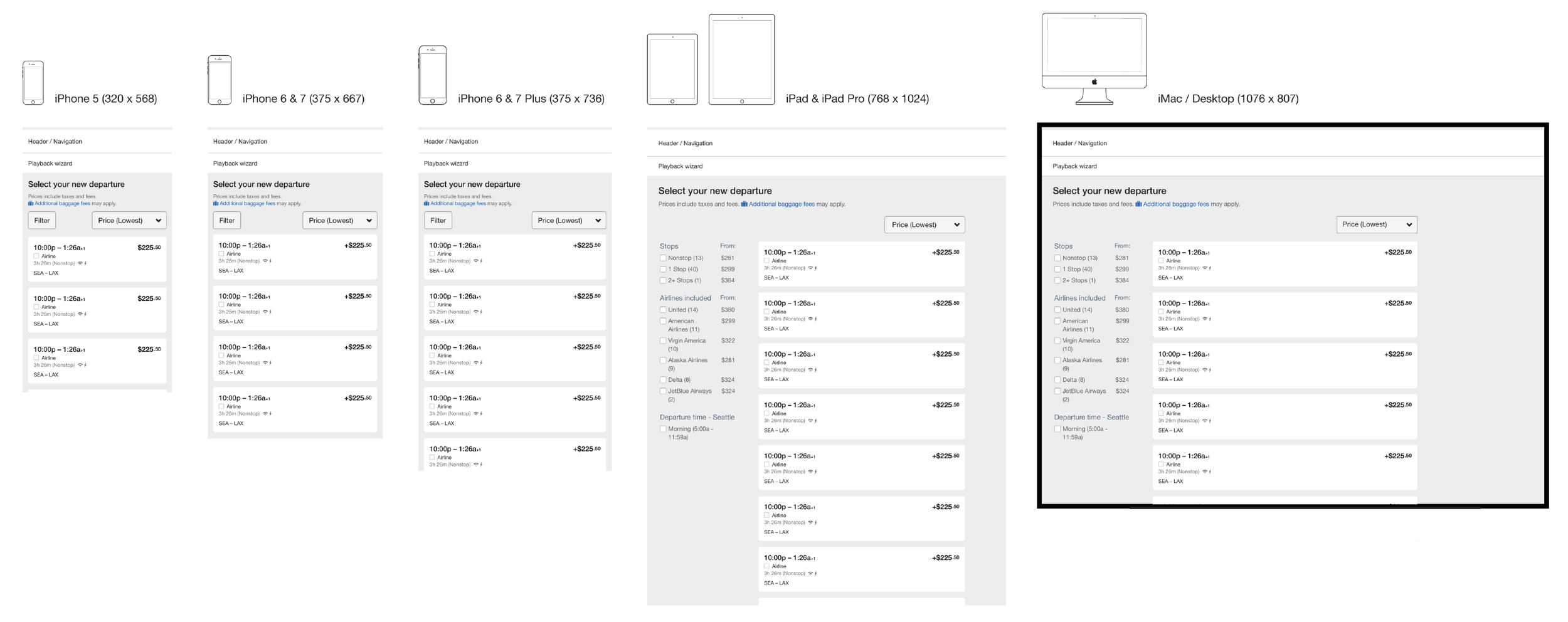
3. Consistent flight-change experience across devices
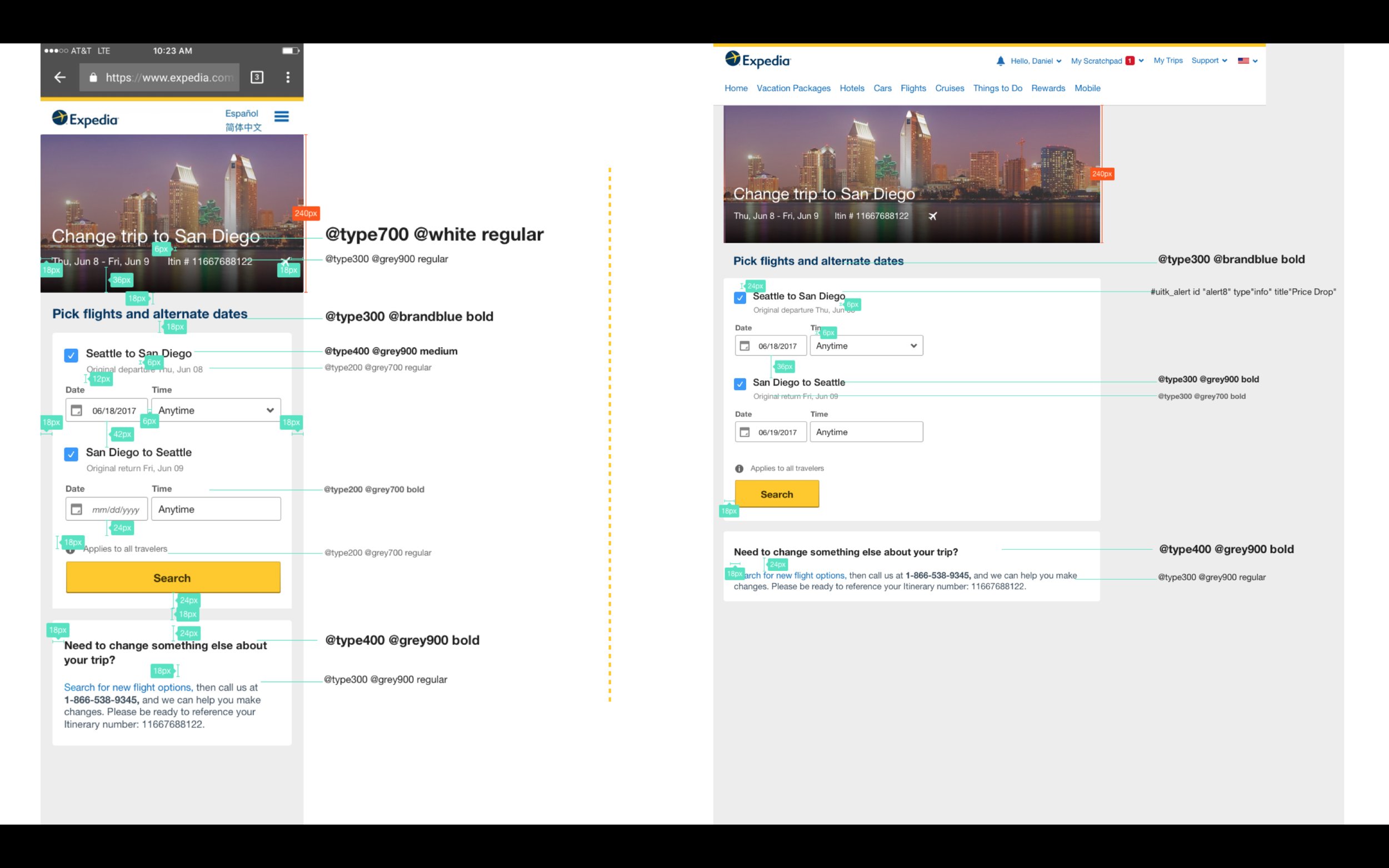
RED LINES
Key Issue 2 | Agent SCENARIO
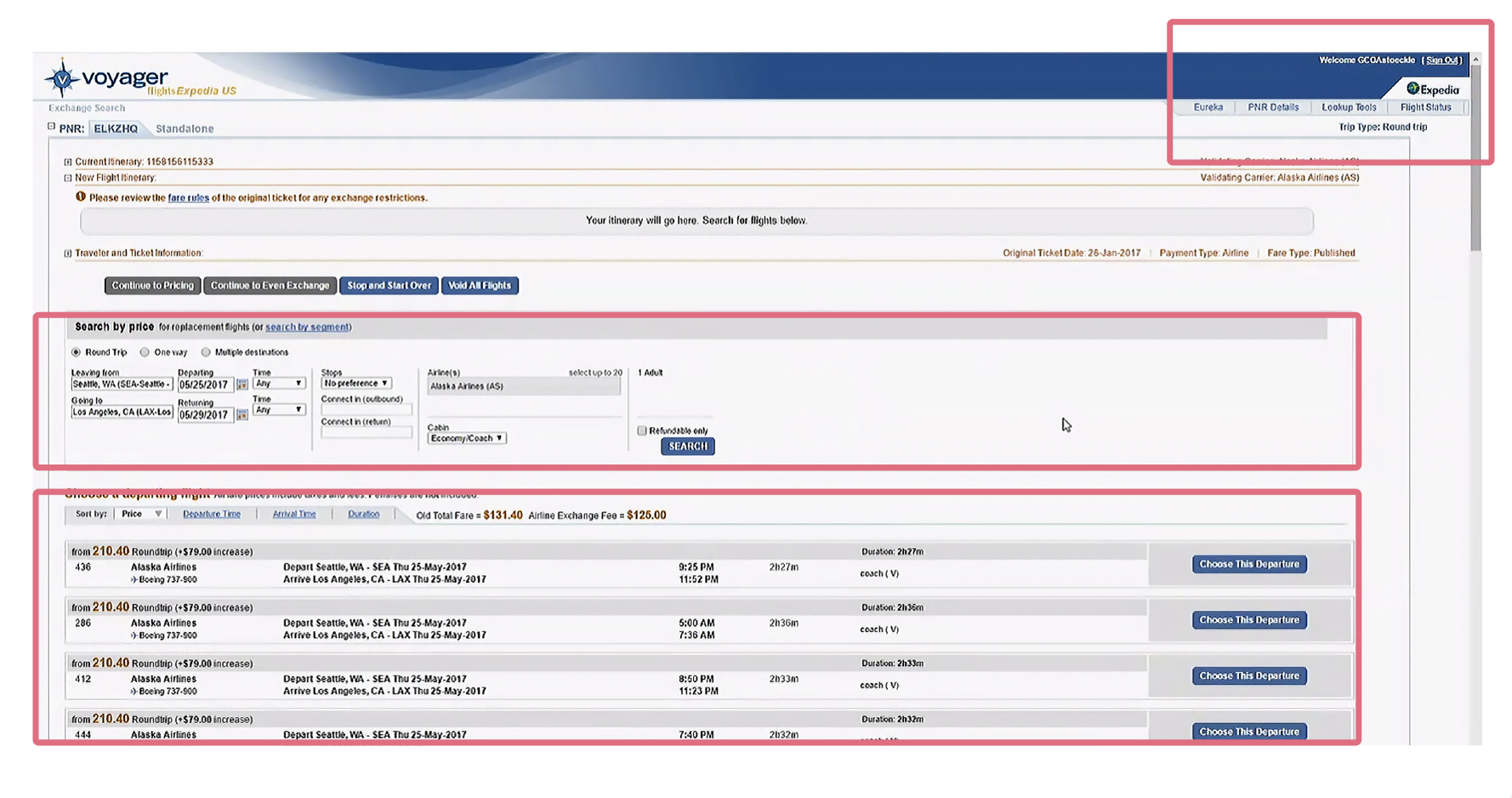
1. Fragmented agent workflow drives errors, delays, and costs
Agents hopped across multiple tools making the process slow and error prone
Complex nested hierarchy added clutter and confusion
Ineligible search results led to agent errors and airline penalties for Expedia
UX DELIGHTER 2
1. Streamlined consolidated agent flow
Designed a guided workflow
Showed relevant flights only, with clear cost difference
Existing progress indicator caused usability issues
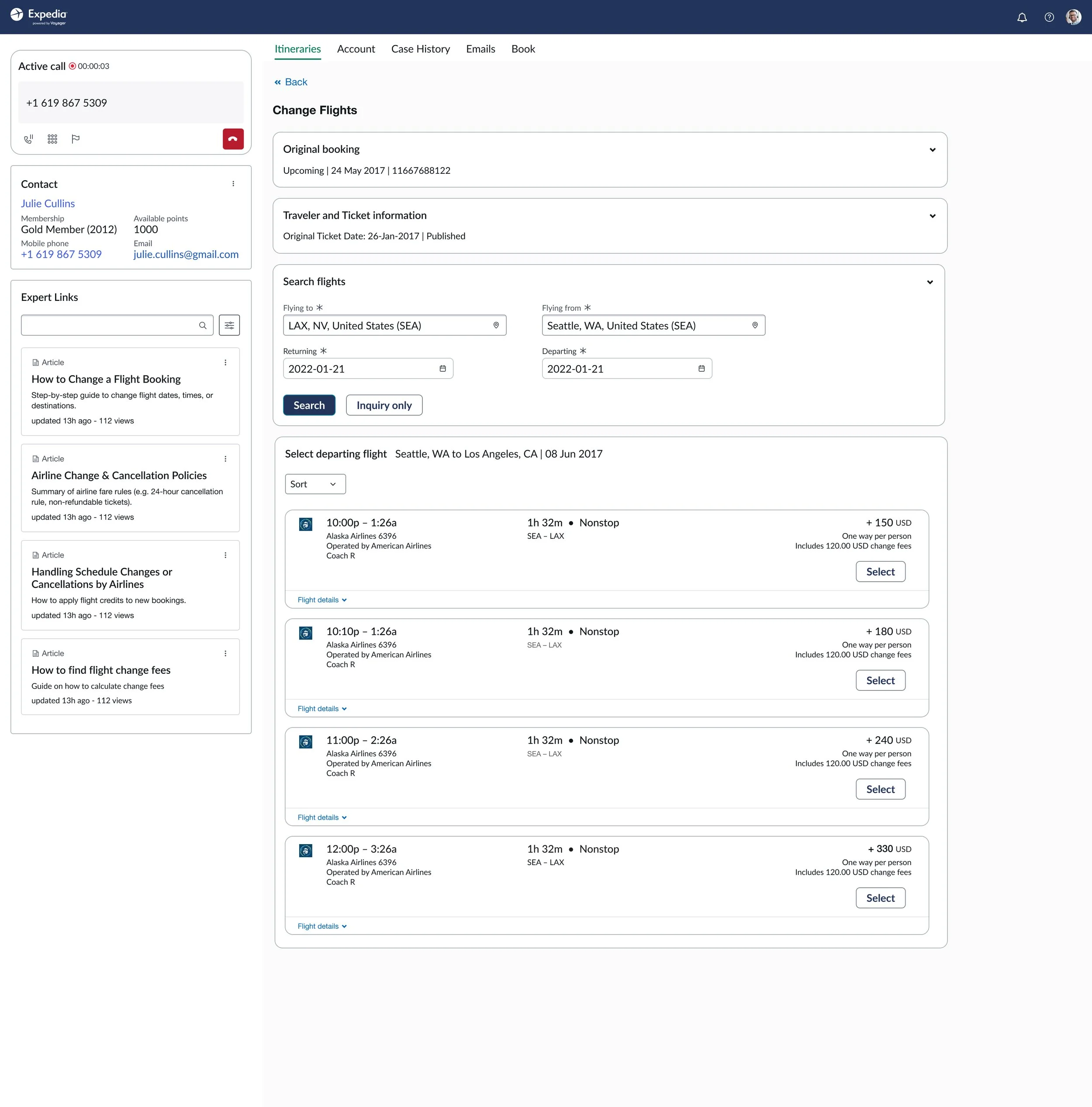
Iteration1
2. Defined standardized scalable design patterns
Designed and iterated on various steppers
Worked with design system team to finalize it
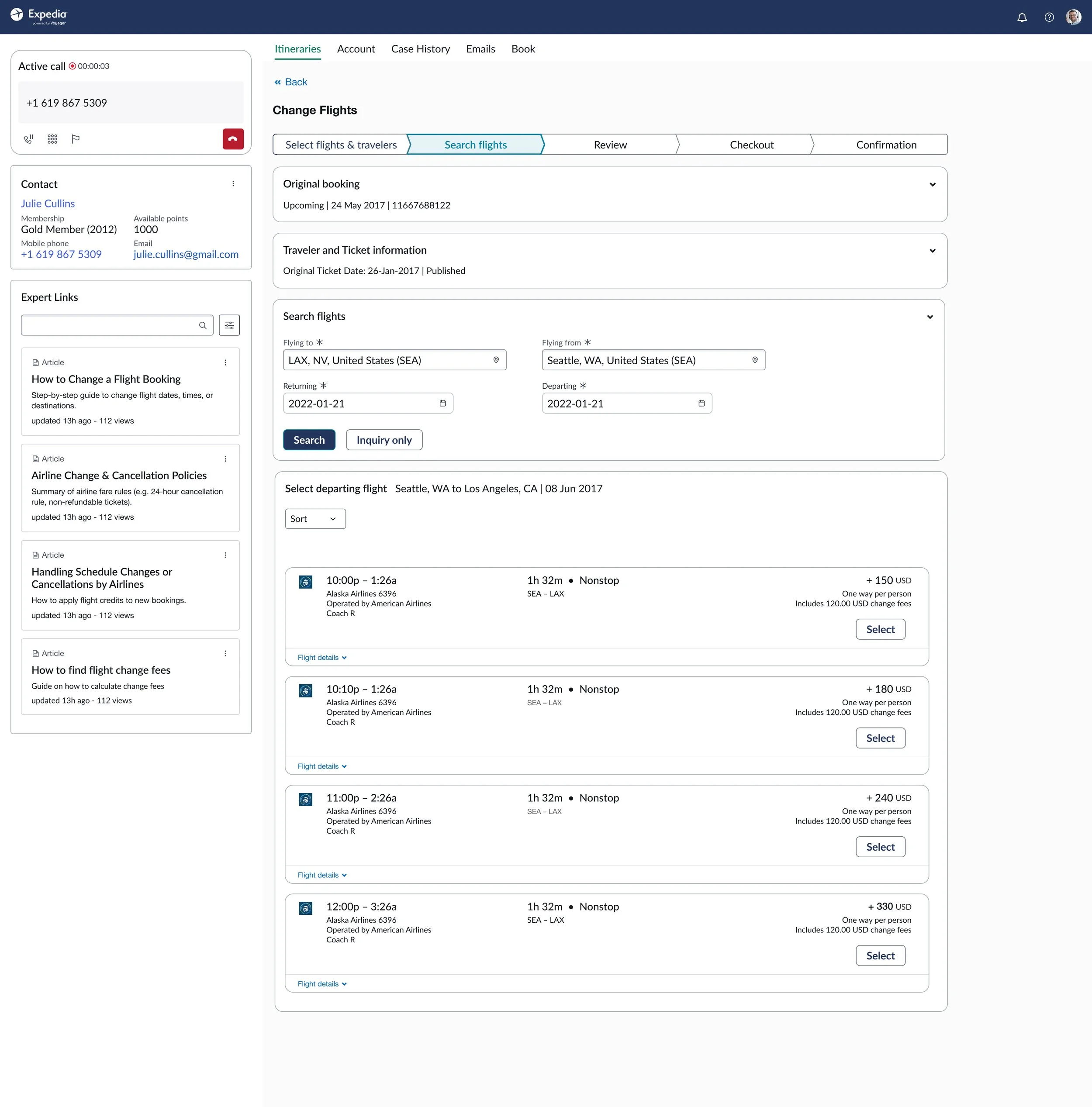
Final
Key Issue 3 | Agent scenario
Lack of hierarchy and missing error signals slow resolution
Calculations unclear and hard to follow
No clear visual hierarchy
Agents hit dead ends when errors surface too late
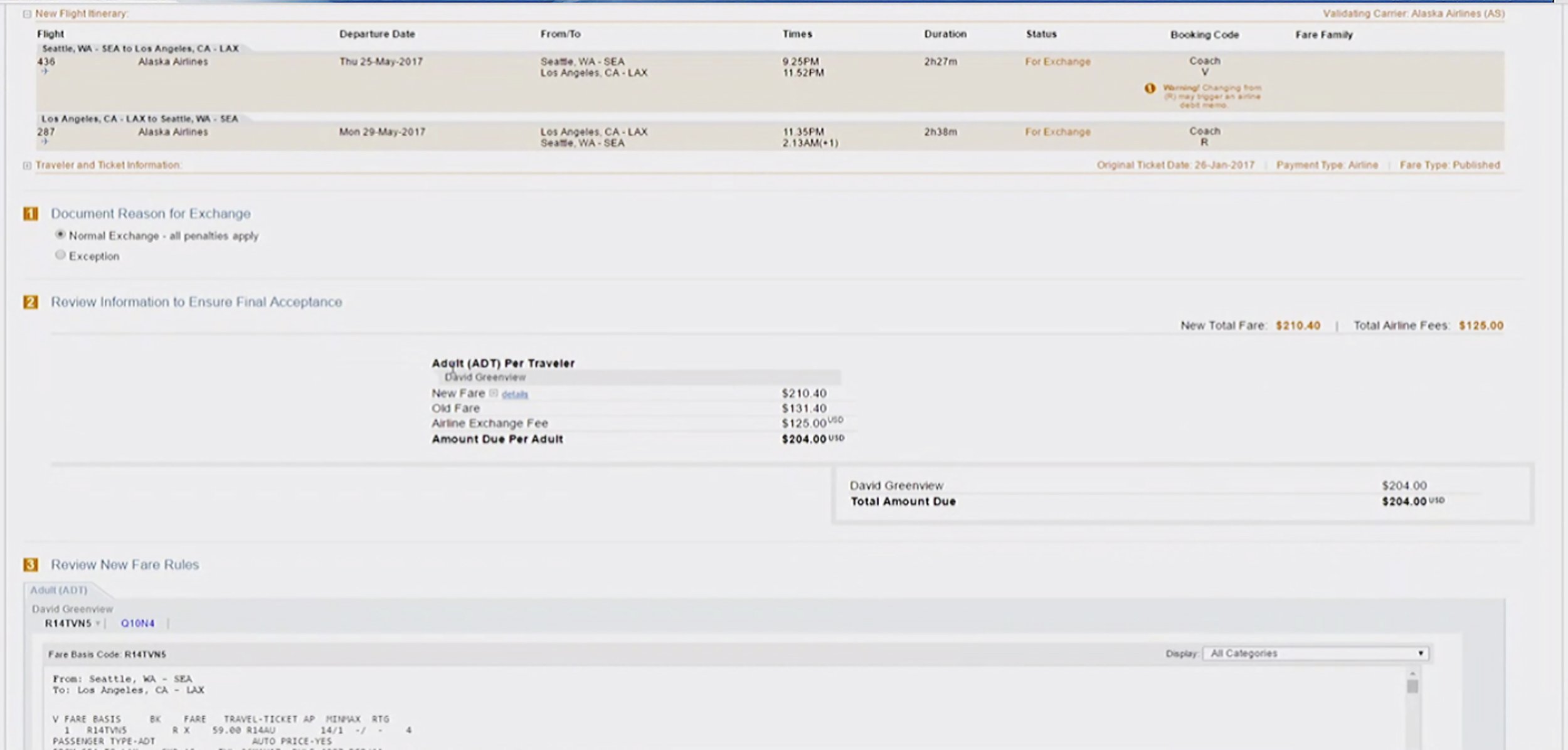
1. Change flow in Voyager tool
Simplified information hierarchy
Leveraged existing design system
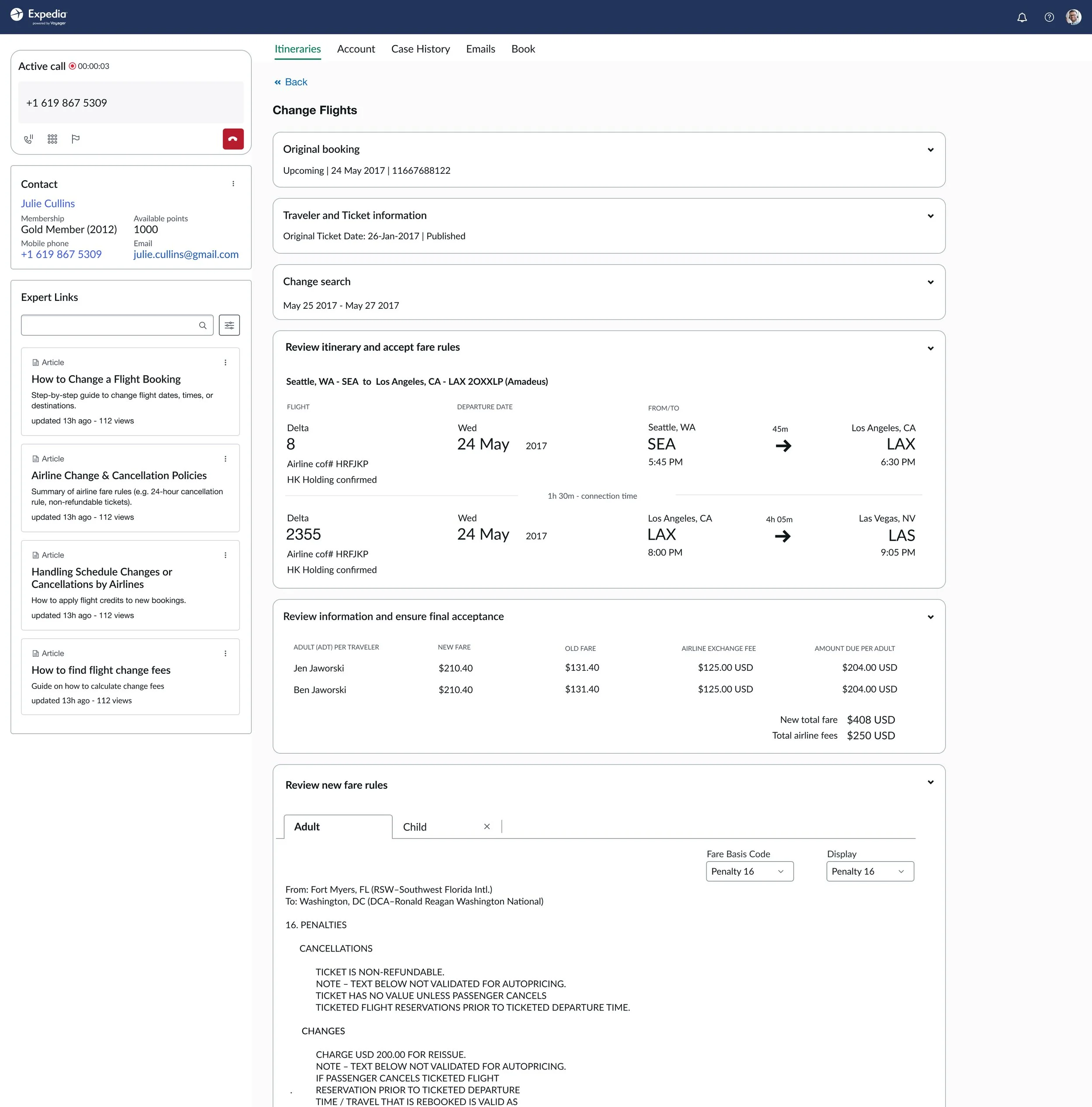
Iteration1
2. Improved usability with new patterns
Worked with design system team to simplify payment summary
Easy lookup of fare rules
Clear Amount due summary
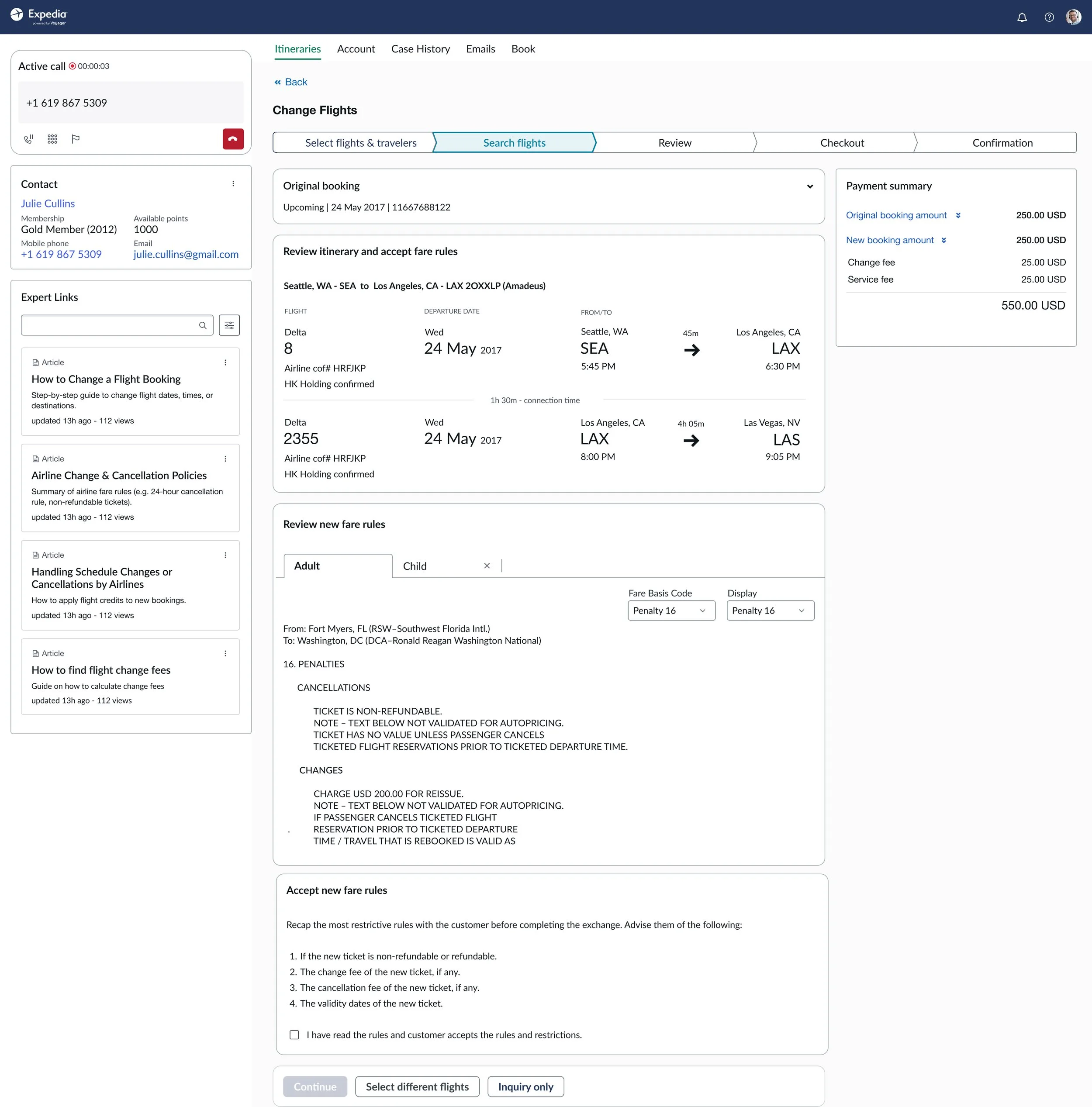
Final
Prototype
Learnings
Collaborate with support to first hand understand user needs and challenges
Regular standups and buddy testing with devs allow better collaboration
Complex, policy-heavy flows demand end-to-end orchestration